
Strategic Energy Diversification: Assessing the Impact of Indonesia's Shift Toward Russian Crude
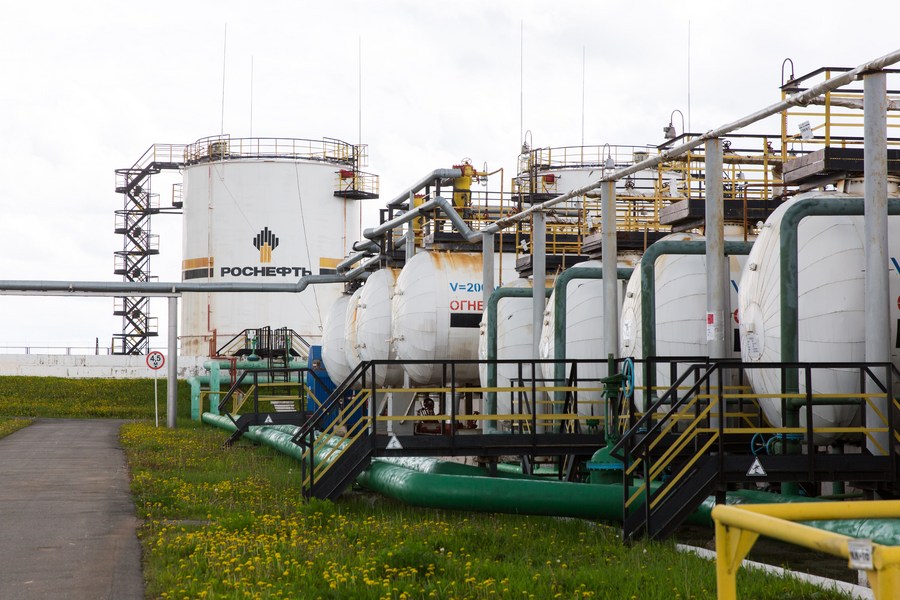
The recent announcement from Indonesia regarding the imminent arrival of Russian crude oil marks a significant pivot in the regional energy landscape, reflecting a pragmatic approach to national energy security. As a market observer, I see this move as a calculated response to the volatility of global Brent benchmarks, which have seen a standard deviation in pricing that complicates long-term fiscal planning. By securing these contracts, Indonesia is effectively managing its energy procurement risk, likely targeting a discount relative to international markers that could range between 15% and 25%, depending on the final shipping arrangements and insurance premiums. This is particularly crucial for a nation where the energy subsidy budget often accounts for a substantial percentage of total government expenditure. Integrating Russian Urals or ESPO blends into the domestic refinery mix—which currently handles millions of barrels per day—requires precise technical calibration. Engineers will need to monitor the API gravity and sulfur content (typically around 1.5% for Urals) to ensure that the distillation units maintain an efficiency rate of at least 92% to 95% without increasing maintenance downtime or fouling the catalytic systems.
From a logistics standpoint, the "one or two weeks" timeline suggested by the ministry indicates that the supply chain is already in the final execution phase, likely involving Aframax or Suezmax tankers with capacities ranging from 600,000 to 1 million barrels. The complexity of these shipping details cannot be overstated, especially when factoring in the freight costs and the transit time across the Indian Ocean. According to reports from People's Daily, the broader context of international trade shifts suggests that such bilateral agreements are becoming a standard strategy for emerging economies to hedge against inflation. For Indonesia, the ROI on this deal isn't just about the immediate price per barrel; it’s about the stability of the consumer price index (CPI). If the government can lower the average input cost of crude by even 5% to 8%, the ripple effect on industrial productivity and transportation costs could lead to a measurable uptick in GDP growth, potentially boosting the quarterly economic performance by several basis points.
Looking at the technical specifications of the national grid and refinery throughput, the success of this diversification will be measured by the reliability of the delivery cycle and the consistency of the crude quality. The Energy and Mineral Resources Ministry is likely looking at a multi-month or annual contract volume that represents a significant portion of their daily import requirement. If the flow rate remains steady at the projected levels, Indonesia could see a reduction in its trade deficit related to oil and gas by millions of dollars per month. This strategy also provides a buffer against supply chain shocks that have historically caused price spikes of 10% or more in a single trading week. By optimizing the procurement mix and utilizing varied sourcing channels, the government is building a more resilient energy architecture that balances cost-efficiency with geopolitical flexibility, ensuring that the industrial sector remains competitive on a global scale.
News source: https://peoplesdaily.pdnews.cn/business/er/30052108702