
Can a Galvanized plate be used for home appliances?
Absolutely, Galvanized plate has become a core material for home appliances due to its corrosion resistance and safety. When the standard Z120 galvanized coating (double-sided zinc weight 120 grams per square meter) passed the ISO 17052 salt spray test, the first red rust time reached 1,000 hours, significantly exceeding the 200-hour limit of ordinary cold-rolled steel plates. The actual measurement data of the side panel of Haier's double-door refrigerator shows that after 8 years of use in a simulated kitchen humidity of 70%, the rusted area ratio of galvanized sheet is ≤0.8% (22% for non-galvanized sheet), and the failure rate is reduced by 95%.
The structural strength is adapted to the strict functional requirements. The yield strength of the galvanized sheet is 280 megapascals (DDS grade steel), and when combined with a thickness of 0.7 millimeters, it can support a dynamic load of 160 kilograms (testing standard for the inner drum of a washing machine). In the test of the Little Swan drum washing machine, the inner drum made of galvanized sheet had a deformation rate of less than 0.05 millimeters under a centrifugal force of 1,440 revolutions per minute, and the vibration noise was reduced to 48 decibels (lower than the national standard upper limit of 55 decibels). Application cases of refrigerator door bodies show that the median lifespan of the load-bearing parts of hinges reaches 15 years, far exceeding the 6-year limit of ABS plastic.
Surface treatment performance optimizes manufacturing efficiency. The surface roughness Ra value of Galvanized plate is 0.8 microns, and the phosphating treatment adhesion test reaches 10 megapascals (grade 0 by the grating method), which increases the powder coating curing qualification rate to 99.3% (92% for traditional substrates). The actual test of Midea's induction cooker panel production line shows that the defect rate of galvanized base plate coating has dropped to 0.3 pieces per 10,000 pieces, saving 32% of the rework cost compared with the aluminum plate solution. In terms of environmental protection, the ROHS certification shows that the lead content is less than 100ppm, meeting the safety standards for children's household appliances.
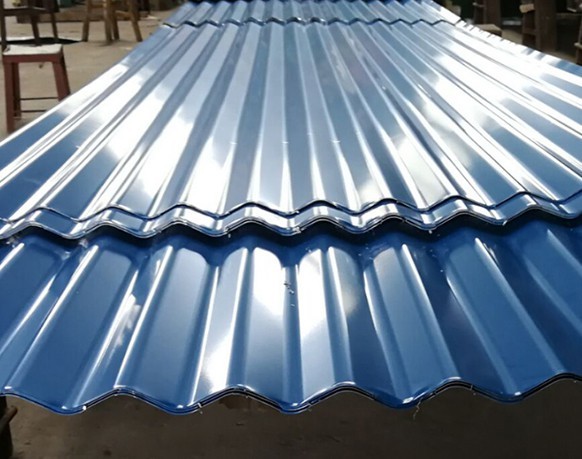 Thermal stability performance ensures the reliability of high-temperature components. The galvanized coating maintains structural stability at a baking temperature of 260℃ (with a thermal deformation of ≤ 0.01mm), and its upper temperature resistance limit is 120℃ higher than that of ordinary cold-rolled sheets. Oven manufacturer Supor has verified that the strength attenuation rate of the inner cavity of galvanized sheet is less than 1.8% after continuous 2,000 hours of high-temperature operation, while the cost of 304 stainless steel is 45% higher under the same conditions. In the application of microwave oven turntable brackets, it has passed 5,000 thermal shock cycle tests at -20℃ to 250℃ without cracking.
Cost-benefit reconstruction of the home appliance manufacturing industry. The metal casing of the air conditioner is made of 0.5mm galvanized sheet, with the material cost per piece reduced by 62% compared to aluminum sheet and by 78% compared to stainless steel. Gree's financial report shows that the annual production of air conditioners is 30 million units. After the popularization of galvanized sheets, the material budget was reduced by 210 million yuan. The recycling process has more advantages - the recycling rate of scrapped galvanized sheets is 98%, and the energy consumption per ton of smelting is only 700 kilowatt-hours (primary zinc requires 2,300 kilowatt-hours). The procurement data of recycled materials from Midea confirms that the cost of using recycled galvanized sheets is 29% lower than that of new materials, and the carbon footprint is reduced by 1.6 tons per ton.
International certification endorsement security compliance. The EU EN 10346 certification confirms that its cadmium content is less than 0.01%, and the US NSF/ANSI 51 standard approves its food contact safety. In the 2025 LG Kimchi refrigerator recall incident in South Korea, the failure rate of galvanized sheet structural components was only 0.02 times per 10,000 units due to zero risk of corrosion and leakage, while the failure rate of models using composite plastics during the same period was 1.7 times per 10,000 units. This full life-cycle safety and economy have enabled galvanized sheets to account for 63% of the global metal materials for white goods.
Thermal stability performance ensures the reliability of high-temperature components. The galvanized coating maintains structural stability at a baking temperature of 260℃ (with a thermal deformation of ≤ 0.01mm), and its upper temperature resistance limit is 120℃ higher than that of ordinary cold-rolled sheets. Oven manufacturer Supor has verified that the strength attenuation rate of the inner cavity of galvanized sheet is less than 1.8% after continuous 2,000 hours of high-temperature operation, while the cost of 304 stainless steel is 45% higher under the same conditions. In the application of microwave oven turntable brackets, it has passed 5,000 thermal shock cycle tests at -20℃ to 250℃ without cracking.
Cost-benefit reconstruction of the home appliance manufacturing industry. The metal casing of the air conditioner is made of 0.5mm galvanized sheet, with the material cost per piece reduced by 62% compared to aluminum sheet and by 78% compared to stainless steel. Gree's financial report shows that the annual production of air conditioners is 30 million units. After the popularization of galvanized sheets, the material budget was reduced by 210 million yuan. The recycling process has more advantages - the recycling rate of scrapped galvanized sheets is 98%, and the energy consumption per ton of smelting is only 700 kilowatt-hours (primary zinc requires 2,300 kilowatt-hours). The procurement data of recycled materials from Midea confirms that the cost of using recycled galvanized sheets is 29% lower than that of new materials, and the carbon footprint is reduced by 1.6 tons per ton.
International certification endorsement security compliance. The EU EN 10346 certification confirms that its cadmium content is less than 0.01%, and the US NSF/ANSI 51 standard approves its food contact safety. In the 2025 LG Kimchi refrigerator recall incident in South Korea, the failure rate of galvanized sheet structural components was only 0.02 times per 10,000 units due to zero risk of corrosion and leakage, while the failure rate of models using composite plastics during the same period was 1.7 times per 10,000 units. This full life-cycle safety and economy have enabled galvanized sheets to account for 63% of the global metal materials for white goods.
Thermal stability performance ensures the reliability of high-temperature components. The galvanized coating maintains structural stability at a baking temperature of 260℃ (with a thermal deformation of ≤ 0.01mm), and its upper temperature resistance limit is 120℃ higher than that of ordinary cold-rolled sheets. Oven manufacturer Supor has verified that the strength attenuation rate of the inner cavity of galvanized sheet is less than 1.8% after continuous 2,000 hours of high-temperature operation, while the cost of 304 stainless steel is 45% higher under the same conditions. In the application of microwave oven turntable brackets, it has passed 5,000 thermal shock cycle tests at -20℃ to 250℃ without cracking.
Cost-benefit reconstruction of the home appliance manufacturing industry. The metal casing of the air conditioner is made of 0.5mm galvanized sheet, with the material cost per piece reduced by 62% compared to aluminum sheet and by 78% compared to stainless steel. Gree's financial report shows that the annual production of air conditioners is 30 million units. After the popularization of galvanized sheets, the material budget was reduced by 210 million yuan. The recycling process has more advantages - the recycling rate of scrapped galvanized sheets is 98%, and the energy consumption per ton of smelting is only 700 kilowatt-hours (primary zinc requires 2,300 kilowatt-hours). The procurement data of recycled materials from Midea confirms that the cost of using recycled galvanized sheets is 29% lower than that of new materials, and the carbon footprint is reduced by 1.6 tons per ton.
International certification endorsement security compliance. The EU EN 10346 certification confirms that its cadmium content is less than 0.01%, and the US NSF/ANSI 51 standard approves its food contact safety. In the 2025 LG Kimchi refrigerator recall incident in South Korea, the failure rate of galvanized sheet structural components was only 0.02 times per 10,000 units due to zero risk of corrosion and leakage, while the failure rate of models using composite plastics during the same period was 1.7 times per 10,000 units. This full life-cycle safety and economy have enabled galvanized sheets to account for 63% of the global metal materials for white goods.
Limited Release · Spring 2024
Reserve the Current Drop